Michael Vandi
Loan files move through dozens of checks before approval, and many parts of the loan lifecycle still rely on manual review. Income data gets re-entered, documents get rechecked, and missing items trigger another round of emails.
Loan automation replaces those steps with systems that read borrower documents, extract key data, and compare it against lending guidelines before underwriting review.
This guide explains how loan automation works and how lenders apply it.
Want to close loans faster? Book a demo with Addy to experience a better loan processing workflow!
TL;DR
Loan automation uses AI and workflows to process applications, verify data, and apply lending rules automatically.
The automation handles manual tasks like document review, data entry, and borrower follow-ups.
It improves accuracy by validating data and cross-checking information from borrower documents.
Automation tools connect systems like LOS, CRM, and even pull data from credit bureaus for faster decisions.
The top loan automation solutions are Addy, Blend, Ocrolus, Finastra, and LoanLogics.
What Is Loan Automation?
Loan automation uses artificial intelligence, rules, and workflow logic to handle repetitive steps in the lending process.
It replaces manual data entry, document review, and follow-ups with systems that read borrower files, extract key data, and apply lending rules automatically.
In traditional loan workflows, staff re-enter the same borrower data into multiple systems and review documents line by line, increasing the chance of human error.
Loan automation connects your loan origination system (LOS) and customer relationship management (CRM) platforms. Borrower data is entered into the file once and gets automatically updated in both systems. The system then checks that data against lending guidelines.
Loan automation can cover the entire loan application process, especially the steps that repeat on every file:
Application intake
Document collection and verification
Eligibility checks
Underwriting preparation
Condition tracking and borrower communication
Reporting, compliance tracking, and audit logs
Next, let’s look at how loan automation works at each stage of the lending process.
How Automated Loan Processing Works
Loan automation processes data as it enters the loan file. Each update triggers checks, calculations, and status changes without waiting for a separate review step.
The file updates continuously at every stage of the loan origination process.
Loan Automation in the Application Stage
Digital intake captures borrower data through loan applications and sends it into the LOS. Required fields can be validated during entry to block incomplete submissions and improve digital onboarding.
Existing customer information can populate fields automatically when available. Loan officers receive a more complete file from the start and spend less time correcting missing information.
Document Processing With Loan Automation
AI reads documents such as 1003s, 1040s, W-2s, 1099s, W-9s, bank statements, and pay stubs. It extracts income, assets, and employment details, then places them into the loan file.
The system compares values across documents and flags mismatches. Loan officers review extracted data rather than searching through pages, which reduces manual effort, speeds document verification, and improves data accuracy.
Underwriting Preparation With Automation
The system calculates debt-to-income (DTI) and loan-to-value (LTV) ratios as soon as data enters the file. It checks those values against lending guidelines and flags missing inputs or inconsistencies that may require human intervention.
Underwriters receive files that already include key calculations and identified conditions, giving them more complete information for credit decisioning.
Condition Tracking and Borrower Follow-Ups
Missing documents and conditions appear in the file as soon as the system detects them. Each item stays tracked with its current status.
Borrowers receive document requests and updates through email, text, or calls. When a requested document arrives, the system checks it against the conditions and updates the status without delay.
Preparing Loan Files for Closing
Before closing, the platform compiles verified data, completed conditions, and supporting documents into the loan file. Each entry links back to its source document, which can also help with audit review and regulatory compliance.
By the time the file reaches closing, it contains validated data and resolved conditions, which reduces last-minute revisions.
Benefits of Loan Automation for Mortgage Lenders
Loan automation improves operational efficiency during loan origination by using systems that read data, verify documents, and update files.
Faster loan processing: Loan applications don’t pause between intake, document review, and underwriting prep. Data can get checked as it enters the file, reducing delays between stages.
Lower operational costs: Entering data from financial statements, updating records, and sending follow-ups adds to processing costs. Loan origination automation handles those steps, which lowers the cost per file for financial institutions.
Fewer errors: Machine learning extracts borrower data once and uses it throughout the file. Cross-checks compare values between documents, which can catch manual errors such as mismatched income or asset figures before they cause rework.
Audit readiness: Each document, calculation, and update links back to its source. This creates a detailed auditing trail that supports risk management and makes file reviews faster.
Better borrower experience: Automated application management keeps borrowers updated as their loan application progresses and notifies them when documents are missing. They’re less likely to receive repeated requests for the same information.
These results make it easier to evaluate which loan automation tools to consider next.
What Technologies Power Loan Automation?
Loan automation relies on technologies that manage document flow, validate data, and route loan files through each stage of lending operations.
Robotic Process Automation
Robotic process automation (RPA) handles rule-based steps like transferring borrower data, updating loan records, and sending condition updates.
For example, RPA can transfer data from loan applications into a LOS and update fields automatically. It can also trigger emails when a condition is added.
This removes repetitive work that often introduces errors in traditional lending workflows.
Artificial Intelligence and Machine Learning
Artificial intelligence reads documents and extracts borrower data from financial statements such as W-2s, 1040s, and bank statements.
Natural language processing (NLP) interprets unstructured text, while machine learning models can evaluate patterns for risk assessment and credit scoring.
AI flags mismatched income, missing data, and potential risks before files reach underwriting.
According to Intel Market Research, AI-enhanced systems show up to 30% higher accuracy in risk prediction compared to traditional models. This can give lenders additional information for decision-making.
Business Process Management
Business process management (BPM) tools route loan files through each stage of the underwriting process. They assign tasks, track progress, and enforce rules at each step.
Once document verification is complete, the file moves to underwriting. If new conditions appear, it routes back for review.
Integrations and Application Programming Interfaces
Application programming interfaces (APIs) connect LOS, CRM platforms, point-of-sale (POS) systems, and communication tools. Data flows between systems without duplicate entry.
When a borrower updates information in a CRM, it syncs with the loan file and shows up in underwriting right away.
This keeps data consistent within legacy systems and maintains up-to-date information throughout the entire process.
Analytics and Reporting
Analytics tools track loan processing time, document status, and loan decisions. A centralized dashboard can show where files slow down and how long each stage takes.
Lenders can identify trends in document collection and adjust their process based on actual performance data.
Top 5 Tools That Make Loan Automation Seamless
Here are five tools lenders use to automate different parts of the entire loan cycle, from intake and underwriting preparation to closing, quality control, and servicing.
1. Addy
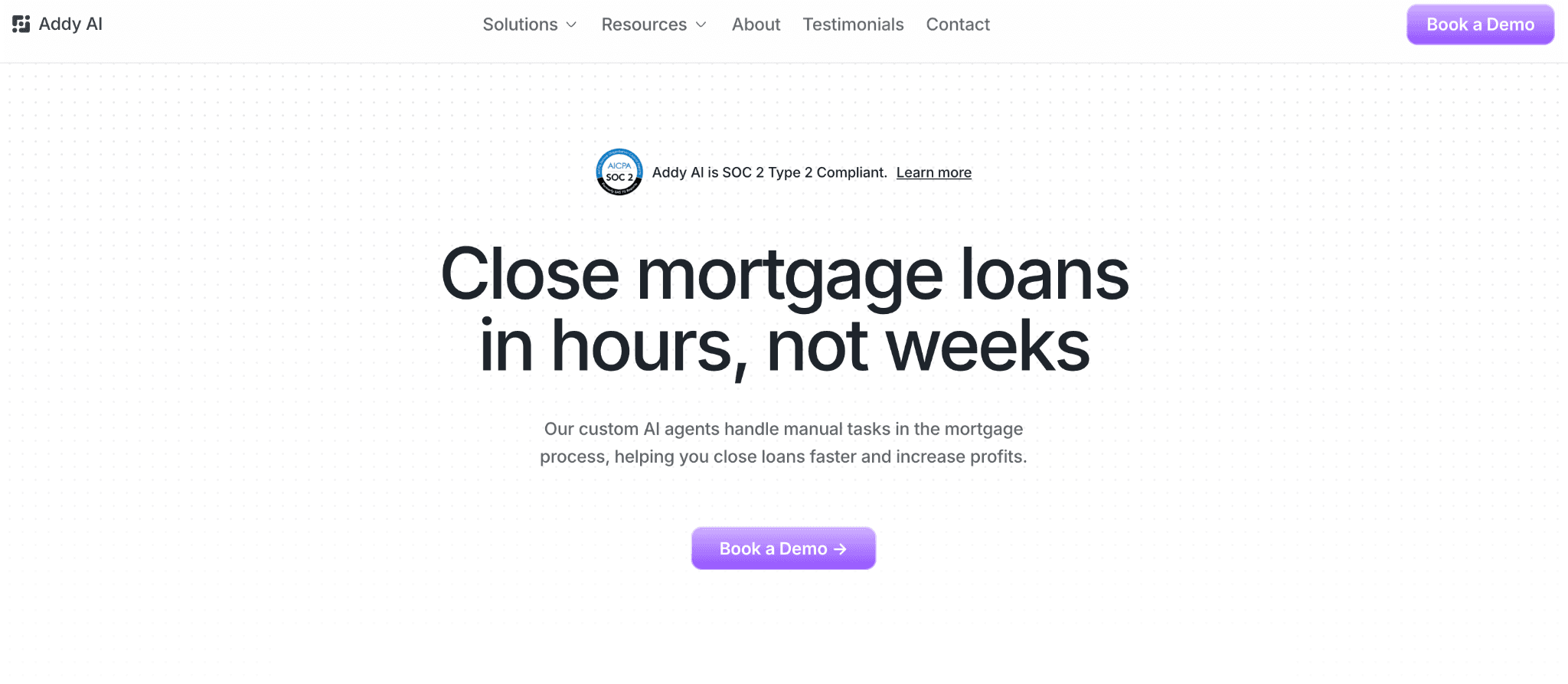
Addy covers loan origination, mortgage processing, and automated underwriting in one platform. Its Document AI extracts data from 1003s, 1040s, W-2s, 1099s, bank statements, and pay stubs. That data flows into your LOS or CRM without re-entry.
Addy’s AI models are trained on more than 20,000 mortgage guidelines, including Fannie Mae, Freddie Mac, and non-qualified mortgage (non-QM) policies.
It reviews eligibility, analyzes income, assets, DTI, LTV, and risk indicators, then runs product-specific conditions through your LOS in under five minutes.
Addy cross-verifies data between documents and flags discrepancies before underwriting. It also contacts borrowers by email, text, or call when documents are missing.
Key features include prebuilt and custom AI agents, integrations with CRM, POS systems, Microsoft Teams, Slack, Gmail, and Outlook, and SOC 2 Type 1 compliance.
Addy also recently launched a ChatGPT app for mortgage pre-underwriting. The app can review borrower documents, analyze loan scenarios, identify missing conditions, and produce structured pre-underwriting findings in roughly five minutes.
Ready to submit decision-ready files to underwriting and speed loan approval? Book a demo with Addy!
2. Blend
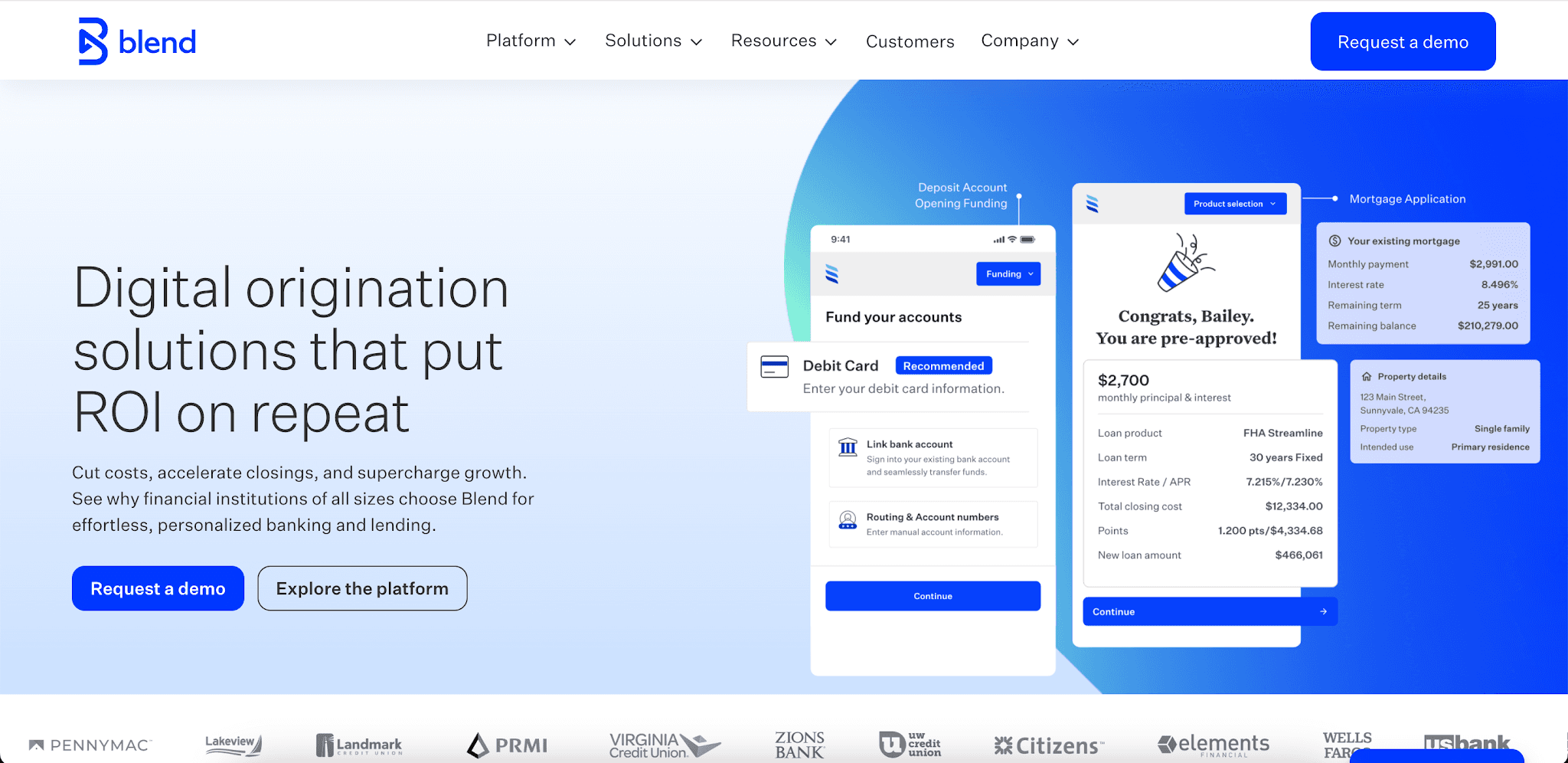
Image source: blend.com
Blend provides a digital origination platform used in mortgage lending. It guides borrowers from application through closing and also supports loan servicing interactions.
Borrowers can submit documents, link accounts, and complete steps in fewer sessions. This improves customer experience and helps lenders collect reliable and consistent data early.
Its lender tools also support loan scenarios, pre-approvals, and interest rate locks. Blend’s real estate agent partner app keeps partners informed through automatic status updates.
Blend includes DocAI for document management, digital closing tools, and integrations with LOS, CRM, and third-party providers. This helps lenders integrate seamlessly with their current systems.
3. Ocrolus
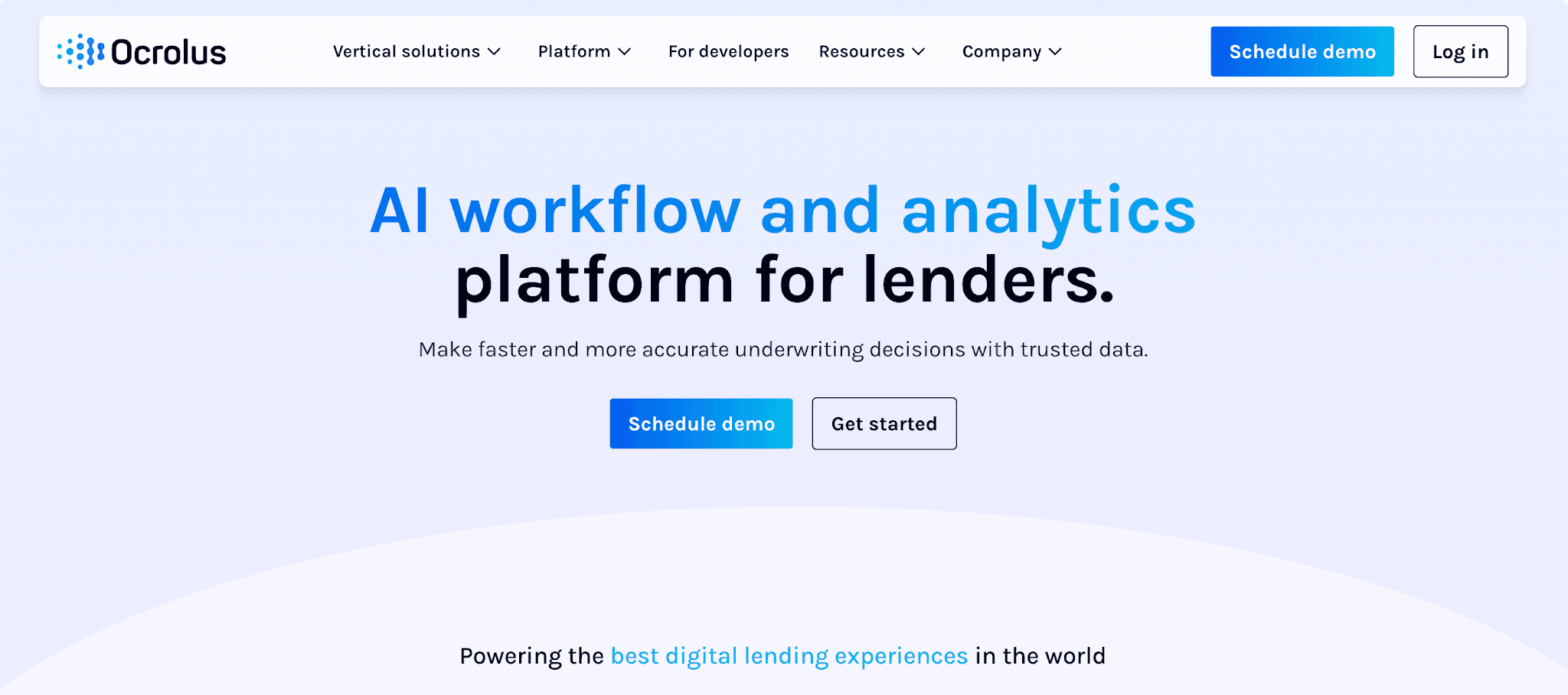
Image source: ocrolus.com
Ocrolus focuses on document analysis, income verification, and fraud detection. It converts financial documents into structured data used in underwriting and the credit process.
It supports income types such as W-2, 1099, self-employed, and rental income. Lenders can review income and asset findings in its underwriting dashboard, reducing the time spent on repetitive checks.
Ocrolus integrates with Encompass and compares borrower documents with application data. It flags inconsistencies and suspicious activity, strengthening risk assessment.
Its system combines AI models with human-in-the-loop validation for complex documents and ambiguous data, which helps maintain data integrity during document review.
4. Finastra
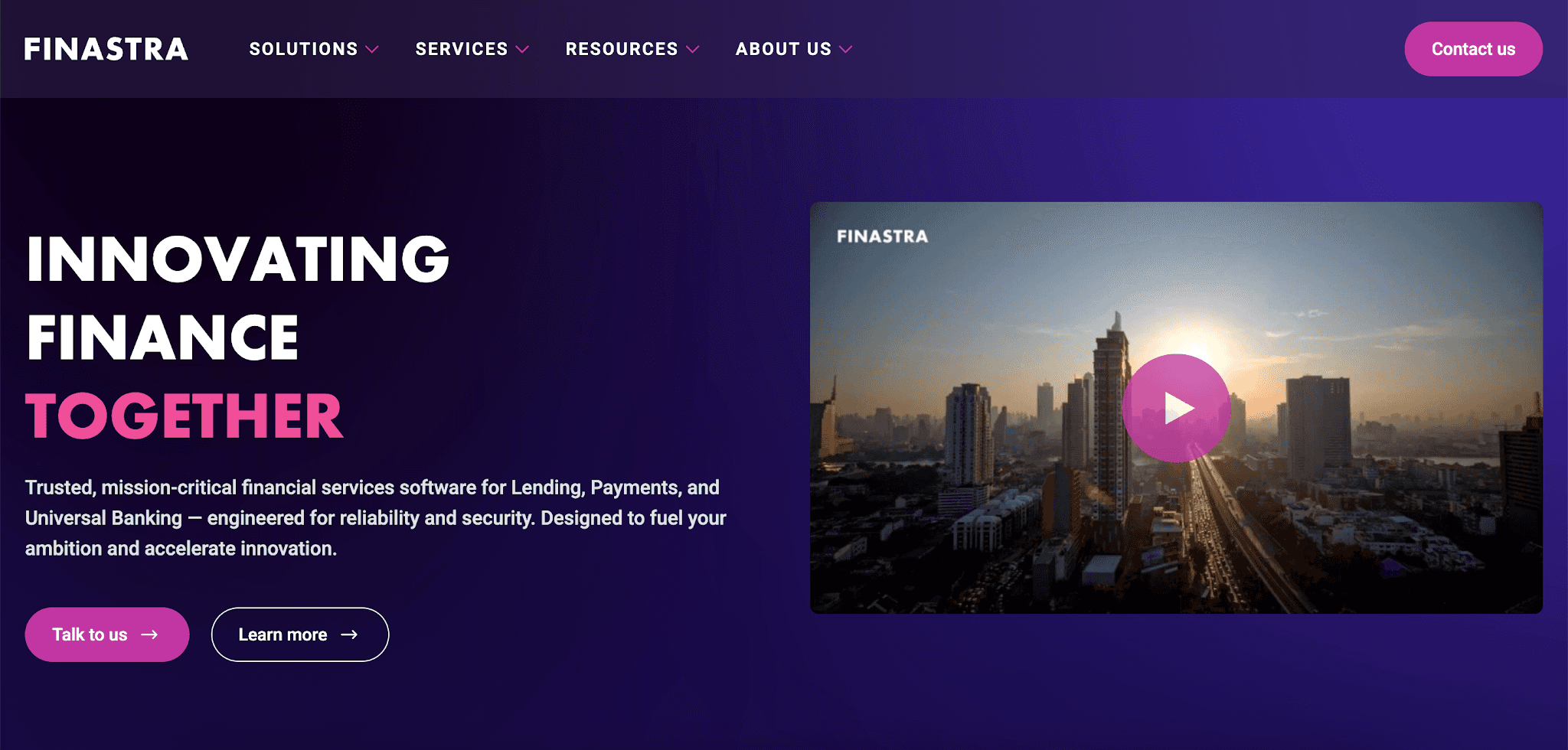
Image source: finastra.com
Finastra offers mortgage origination tools through Mortgagebot and LaserPro, supporting the entire loan application process, from application to closing.
Borrowers can complete applications online, while lenders can connect credit reporting, income and asset verification, automated underwriting, appraisals, and closing services within their lending workflows.
Mortgagebot supports automated pre-approvals and multi-channel applications. LaserPro adds automated document checks and regulatory compliance features.
Finastra also integrates with over 100 partner services, including credit reporting, appraisals, and secondary marketing tools. Additional AI tools support document review, translation, and decision support.
5. LoanLogics
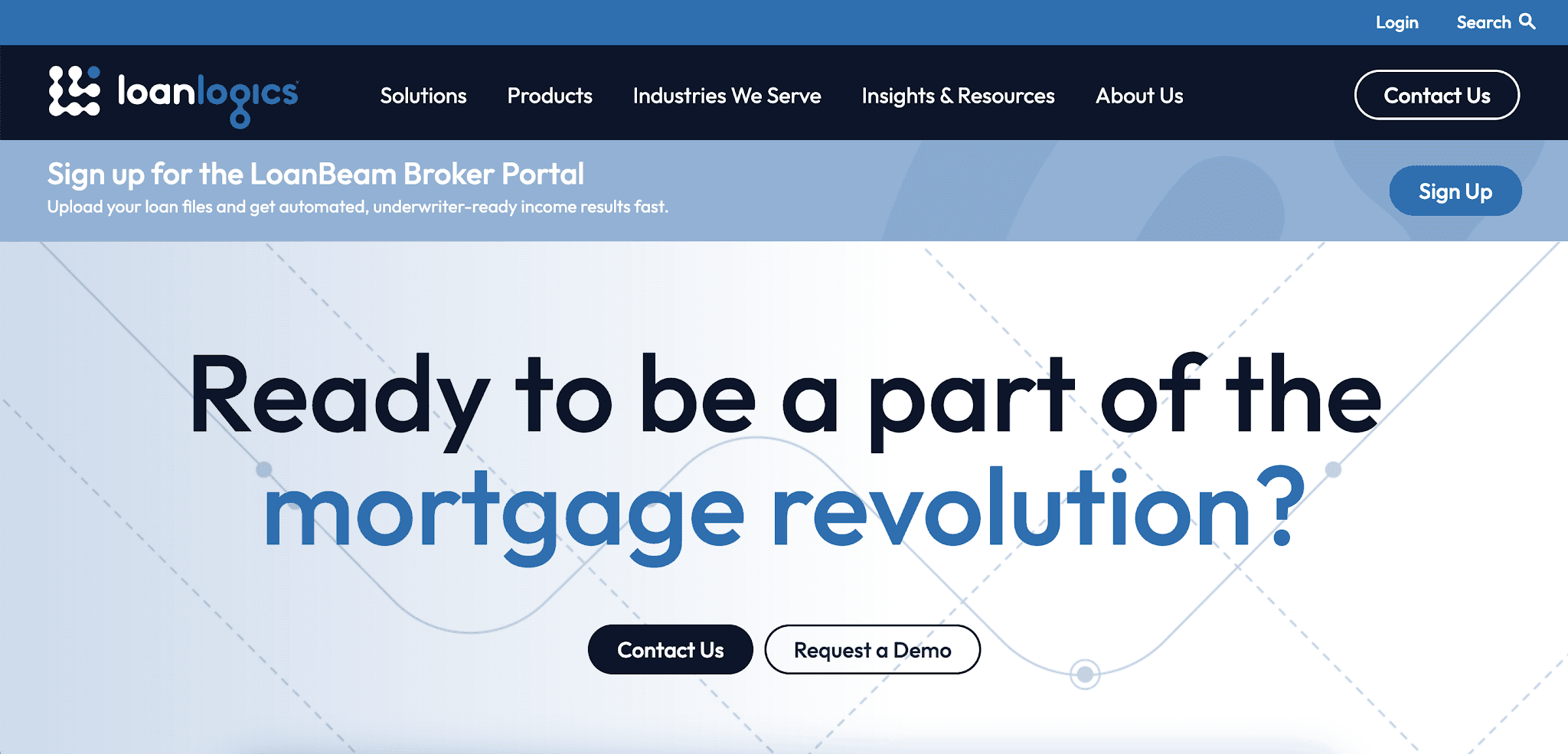
Image source: loanlogics.com
LoanLogics focuses on loan quality, income validation, and audit workflows. Lenders use its tools for origination, pre-close and post-close review, and portfolio management.
LoanBeam extracts and validates income data from tax documents. IDEA tools classify documents and capture key data for review.
LoanHD performs pre-close and post-close audits and tracks defects in real time. It applies rule-based reviews aligned with investor guidelines.
The platform also provides configurable reports and dashboards for audit status, defects, root causes, and portfolio insights. These tools help lenders monitor loan performance and maintain consistent review standards.
Common Issues With Loan Automation
Automated loan processing systems can flag missing data and inconsistencies, but they don’t replace validation. You still need to review inputs to maintain data integrity and avoid flawed loan decisions.
Some files require more than rule-based checks. Self-employed income, layered earnings, or unusual credit profiles don’t follow predictable patterns. Automation can highlight risks, but underwriters still need to interpret them.
Integration can delay implementation. Many lenders rely on loan management systems that may not connect easily with other platforms. This can complicate borrower data and document updates.
Adoption also comes down to usability. If loan officers don’t trust the platform or find it hard to navigate, they go back to manual tasks. Organized workflows and practical training make a difference here.
Automation processes data and flags issues, but final decisions still rely on underwriter judgment.
Borrower communication and customer inquiries also require a human touch, which helps improve customer satisfaction.
How to Implement Loan Automation Successfully
Start with the most repetitive manual tasks, such as document intake, borrower follow-ups, and underwriting preparation. These are the easiest points to automate and deliver quick results.
Next, connect your core systems. Your LOS, CRM, and POS platforms, inboxes, and communication tools should work together. Many traditional lenders struggle here, so getting this right makes everything else easier.
Then, focus on high-volume workflows. Automate the steps that apply to most files before addressing edge cases. This helps establish consistency and makes adoption easier.
Track performance with key metrics:
Time to decision
Document turnaround time
Application completion rates
Customer inquiries
Borrower satisfaction
Loans processed per employee
Refine loan process automation over time. Use performance data and feedback to configure custom workflows from intake to closing. Consistent gains in turnaround time, completion rates, and loan volume can also give lenders a competitive advantage.
Automate More of Your Mortgage Workflow With Addy
Addy shows how loan automation plays out inside a mortgage workflow. It starts with the tasks loan officers repeat on every file, like document intake, then carries that through the rest of the process.
It uses intelligent automation to pull borrower information from documents and place it where it belongs. Loan officers don’t need to retype income or dig through files. That keeps errors from creeping in and keeps files consistent from the start.
As new loans come in, Addy can check eligibility against Fannie Mae, Freddie Mac, and non-QM guidelines. If something doesn’t meet the criteria, the system flags the issue and shows what needs attention before underwriting.
Addy also reviews automated underwriting system (AUS) findings against what’s already in the file. It identifies outstanding conditions and missing documents so the team knows what still needs to be resolved.
Borrowers can receive requests by email, text, or phone when additional information is required.
Addy connects with the systems lenders already use, which supports more streamlined workflows without requiring loan officers to keep switching between tools.
FAQs About Loan Automation
What is loan process automation?
Loan process automation uses software to complete repeatable lending tasks with less manual review. It replaces parts of a manual process, including data entry, document checks, and borrower follow-ups.
Why are automated loan workflows important?
Automated loan workflows help lenders keep files consistent through the whole process and address issues sooner. They also give loan officers more time to review complex documents and make informed decisions.
How does automation improve the loan lending process?
Automation improves the loan-lending process by checking data earlier, routing files faster, and maintaining consistent information. It also supports digital transformation by connecting lending systems and standardizing routine workflows.
Which parts of the loan process can lenders automate?
Lenders can automate intake and document review before underwriting, then track conditions and borrower requests as the file progresses. After closing, some systems also automate account management and payment processing.
Start closing more loans – Book your demo today
Stay ahead of the competition and discover how AI can accelerate your loan origination process, reduce manual work, and help you close more deals in less time. Book a demo today and start experiencing the future of lending.