
Michael Vandi
Working as a mortgage broker means managing client questions, collecting documents, coordinating with lenders, and keeping deals on track at the same time. It’s a high-stakes job that demands accuracy and constant coordination.
But when you rely solely on manual tasks to stay organized, it’s easy to lose time and momentum. Delays pile up, key details get overlooked, and important client interactions are disrupted.
That’s where mortgage broker tools can help. The right software keeps your pipeline organized and improves client communication.
In this guide, we’ll explain the top mortgage broker tools worth considering in 2026.
TL;DR
Mortgage broker tools help brokers manage documents, track loans, communicate with borrowers, handle pricing, and manage compliance.
Platforms like Addy, Blend, Floify, Capacity, LoanLogics, and MBS Highway support different parts of the mortgage process.
These tools help brokers handle borrower updates, pricing comparisons, document management, and borrower data collection more efficiently.
Many brokers use multiple platforms throughout the loan lifecycle, from application to post-close reviews.
Addy focuses on automating document analysis, income verification, and borrower follow-ups during loan processing.
What Are Mortgage Broker Tools?
Mortgage broker tools are platforms or software that help brokers manage daily tasks like collecting documents, tracking mortgage applications, verifying income, and communicating with clients.
These tools support different parts of the lending process. Some help organize borrower information. Others verify financials, keep track of compliance steps, or notify you when it’s time to follow up.
Many mortgage broker software platforms also include customer relationship management (CRM) systems, lead management, and real-time notifications for busy loan officers.
For brokers, the right mortgage software takes pressure off the daily workload and improves the client experience from application to closing.
Want to automate document review and income analysis? Book a demo with Addy now!
Major Challenges Brokers Face Without the Right Tools
Most brokers don’t have a time problem. They have a tool problem. Trying to manage the mortgage process with outdated systems or too many disconnected platforms slows everything down.
You spend hours sending reminders or double-checking information that should already be tracked through proper document management and compliance tools.
Without the right tools in place, it’s easy to miss relevant data. Documents get buried in inboxes, client data becomes harder to track, and borrowers wait too long for updates.
Each delay leads to more follow-ups and takes your attention away from active deals.
Manual work also increases the risk of mistakes. A single missed item can delay funding or create regulatory requirements issues that take even more time to fix.
When you’re jumping between platforms to move one loan forward, even simple tasks take longer than they should. That extra time cuts into the conversations that help you build trust and win new clients.
6 Ways Mortgage Tools Help You Work Smarter Every Day
There’s only so much time in a day, and most brokers spend too much of it chasing documents, updating spreadsheets, or answering the same client questions repeatedly.
The right tools take on that busywork so you can focus on what actually moves deals forward.
Below are six everyday pain points brokers face and how purpose-built mortgage tools can make the process easier and less time-consuming.
1. Automating Document Review and Income Analysis
Manual document collection and review eat up hours, and it's where mistakes happen. Brokers often sort through tax returns, pay stubs, bank statements, and lender guidelines just to confirm whether a borrower qualifies for a home loan.
Smart automation takes that off your plate. Mortgage origination platforms can read borrower documents, flag missing information, and pull financial details within seconds.
Addy makes this easier by automating mortgage document processing and income analysis.
Addy
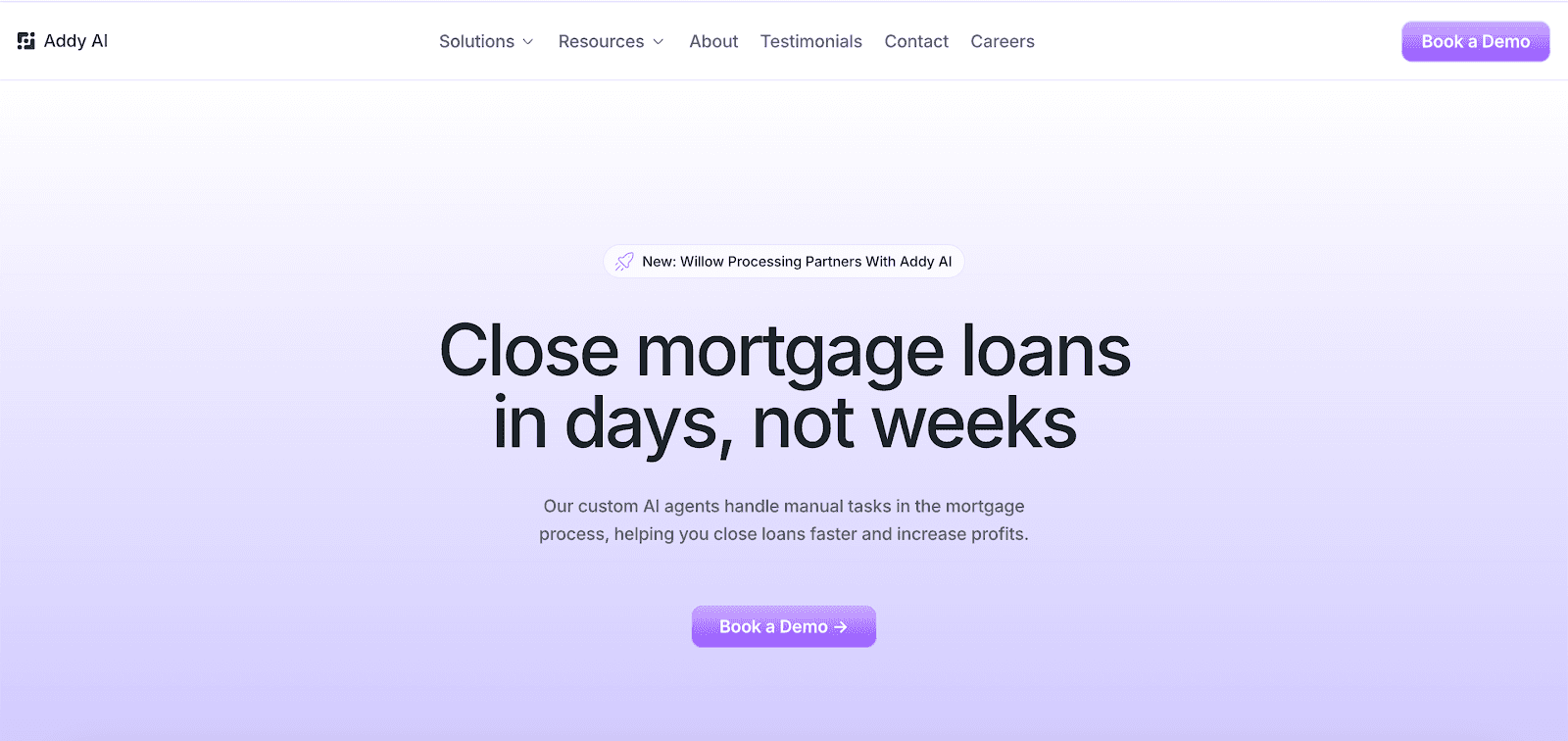
Addy uses custom-trained AI models to automatically extract income data and loan details from borrower documents in seconds.
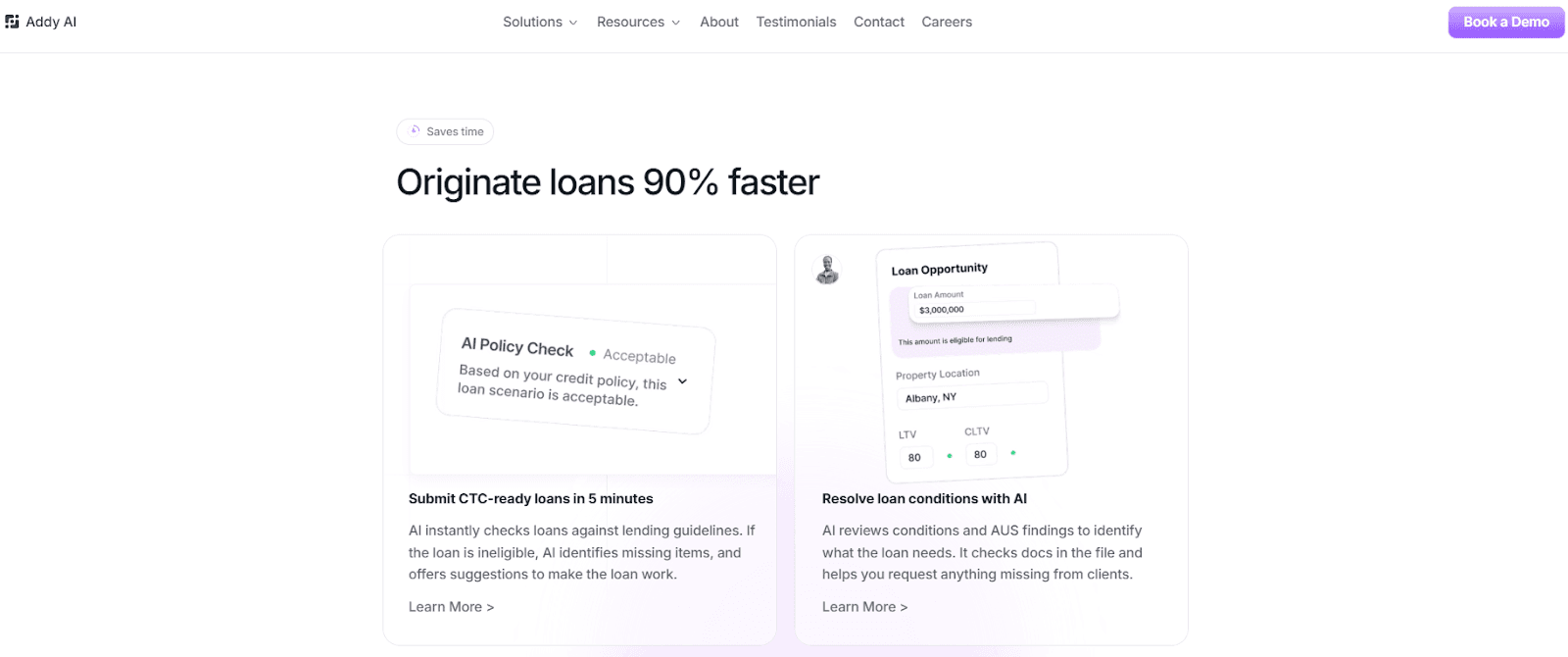
Its specialized AI agents verify borrower eligibility against more than 20,000 lending guidelines, quickly identifying any missing or incomplete information.
Loan officers using Addy report a loan origination process up to 90% faster, drastically reducing mortgage processing time from weeks to days.
Brokers save thousands of hours per year that would otherwise be spent manually reviewing files or following up on missing paperwork.
Key features include:
Instant loan assessments to confirm if a borrower meets credit policies, with suggestions provided to help fix eligibility issues.
Real-time document summaries clearly identify key details such as loan-to-value (LTV) ratios.
Automatic syncing with CRMs and loan origination systems (LOS), keeping data updated without manual work.
Proactive borrower follow-ups to quickly request missing documents, speeding up your pipeline.
Chat with any document, whether it's a pay stub or bank statement, and pull out the info you need in seconds.
Create an AI chatbot for lending questions, trained on Fannie Mae, Freddie Mac, and non-quality management (non-QM) guidelines.
Addy lets brokers confidently deliver clean, audit-ready loan packages faster, freeing up time for brokers to focus on client relationships and closing deals.
2. Improving Client Communication and Borrower Experience
Borrowers get anxious when they don’t hear back. Questions pile up, emails go unanswered, and simple updates take too long. For brokers, that means more follow-ups, more pressure, and more room for mistakes.
Clear communication makes a big difference in both the borrower experience and client satisfaction.
Tools in this category keep borrowers in the loop at every step, so they always know what comes next. That means fewer repetitive emails, better client engagement, and less confusion throughout the loan process.
To make this part easier, many brokers use Blend.
Blend
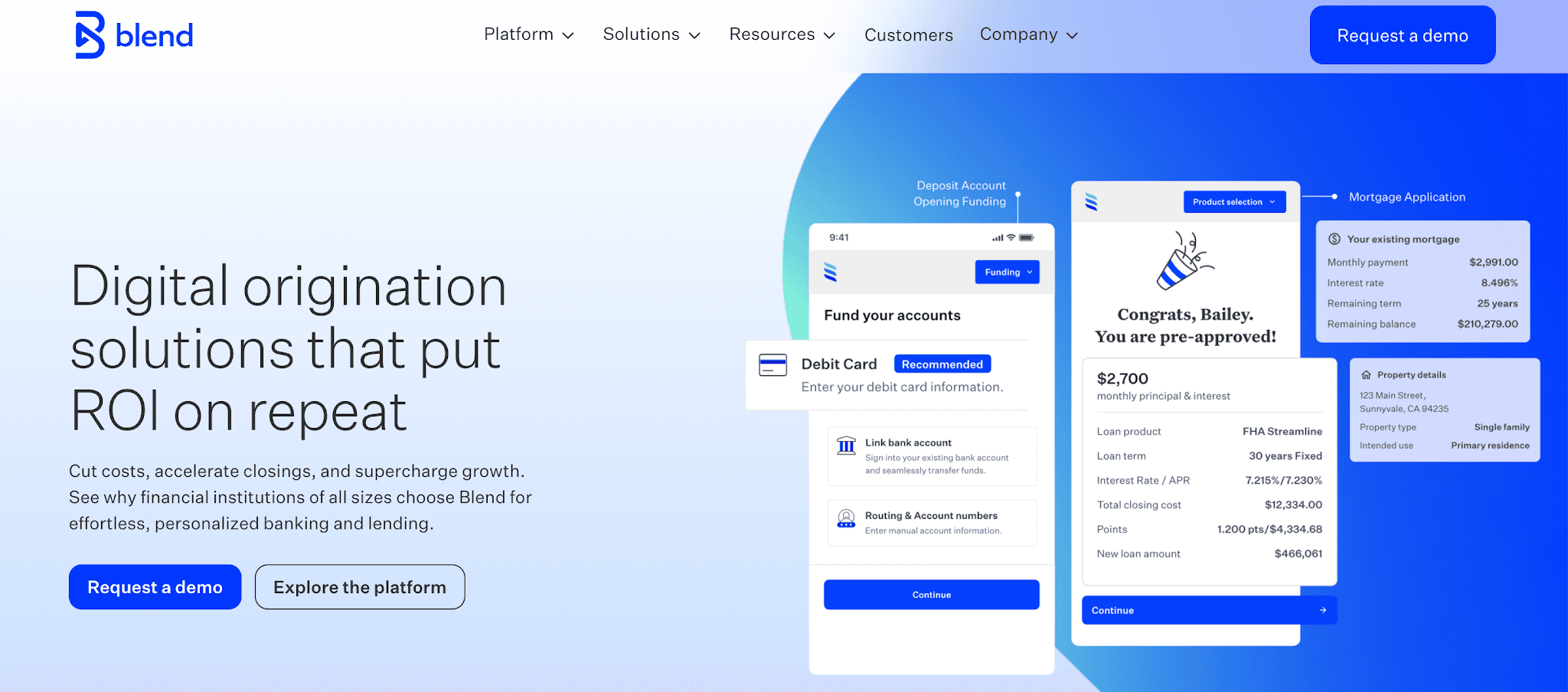
Image source: blend.com
Blend gives borrowers a clear way to complete the initial application, upload documents, and track progress in one place.
The platform also offers mobile access, which makes it easier for borrowers to respond quickly without logging into multiple systems.
Brokers can collect documents faster, stay organized, and give prospective clients more visibility into their loan status. Blend also connects with existing lender systems, helping teams manage files within their current tech stack.
Blend is often used by larger mortgage businesses or brokerages working with multiple lenders. Smaller teams may find the setup process heavier without dedicated technical support.
3. Managing Loan Applications and Tracking Progress
Every file comes with deadlines, missing documents, status updates, and borrower requests. Without the right system, it’s easy for important details to get overlooked.
Brokers need a reliable way to manage active loans, track progress, and keep deals organized without relying on multiple tools. Better visibility also keeps borrowers informed without constant follow-ups.
Floify is one platform commonly used to support this workflow.
Floify
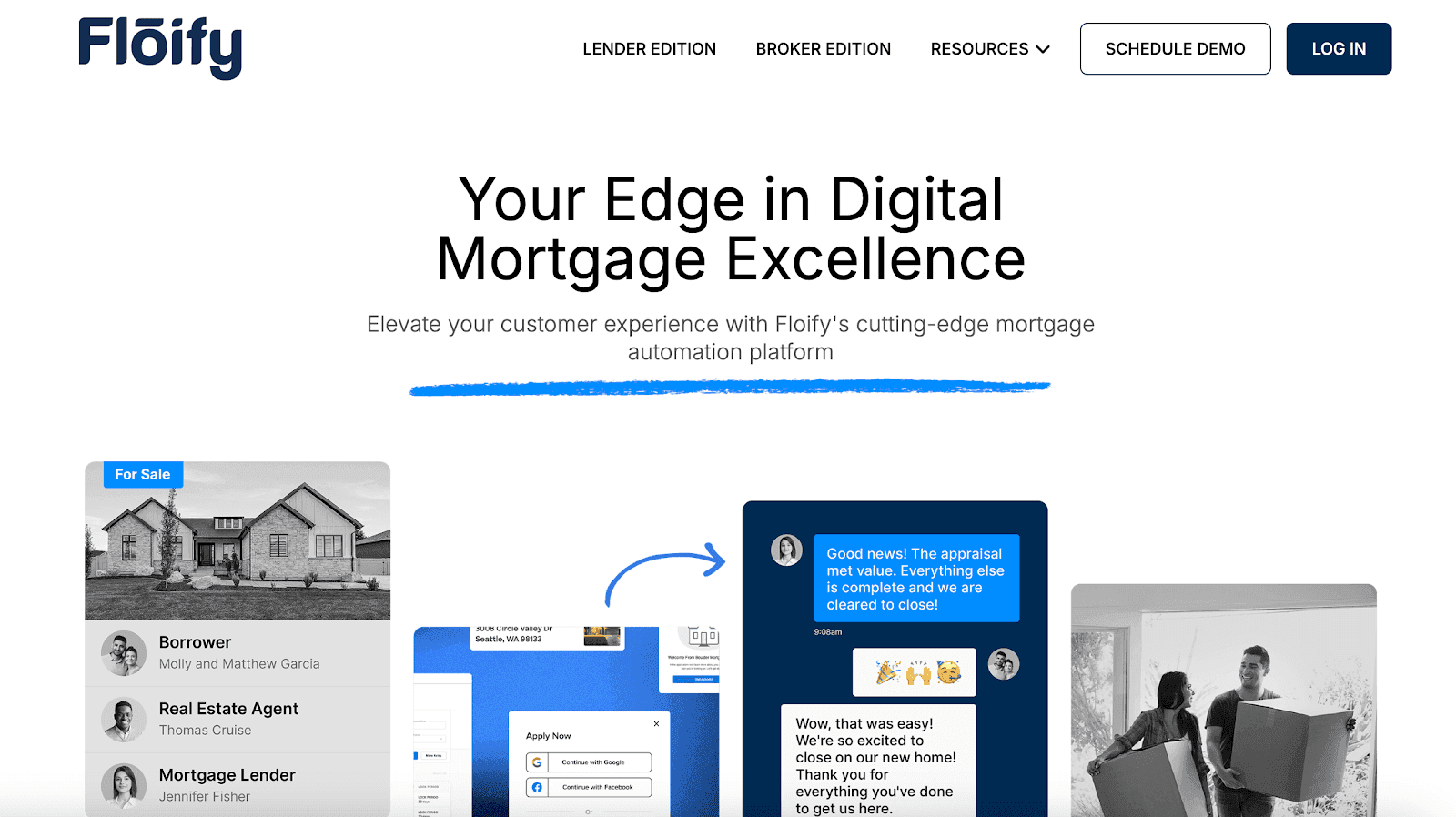
Image source: floify.com
Floify provides a dashboard to organize borrower files, track milestones, and send task checklists. It includes features like secure document uploads, automated status updates, and email notifications.
The platform is often used by brokers and mortgage companies that want more structure around document collection and pipeline management.
It can support individual brokers or larger teams that need better team collaboration when handling active loan files.
Some users may find it more helpful when paired with other mortgage systems already in place.
4. Following Up Automatically With Borrowers and Partners
Keeping in touch matters. A missed follow-up can stall a deal or leave someone waiting for an answer. But manual outreach takes time, and it’s easy for mistakes to slip through the cracks.
This use case covers software tools that help brokers send the right message at the right time without doing it all by hand. Reminders, status updates, and check-ins can be set up in advance, so you can save time throughout the loan process.
Capacity is one tool brokers use to support this.
Capacity
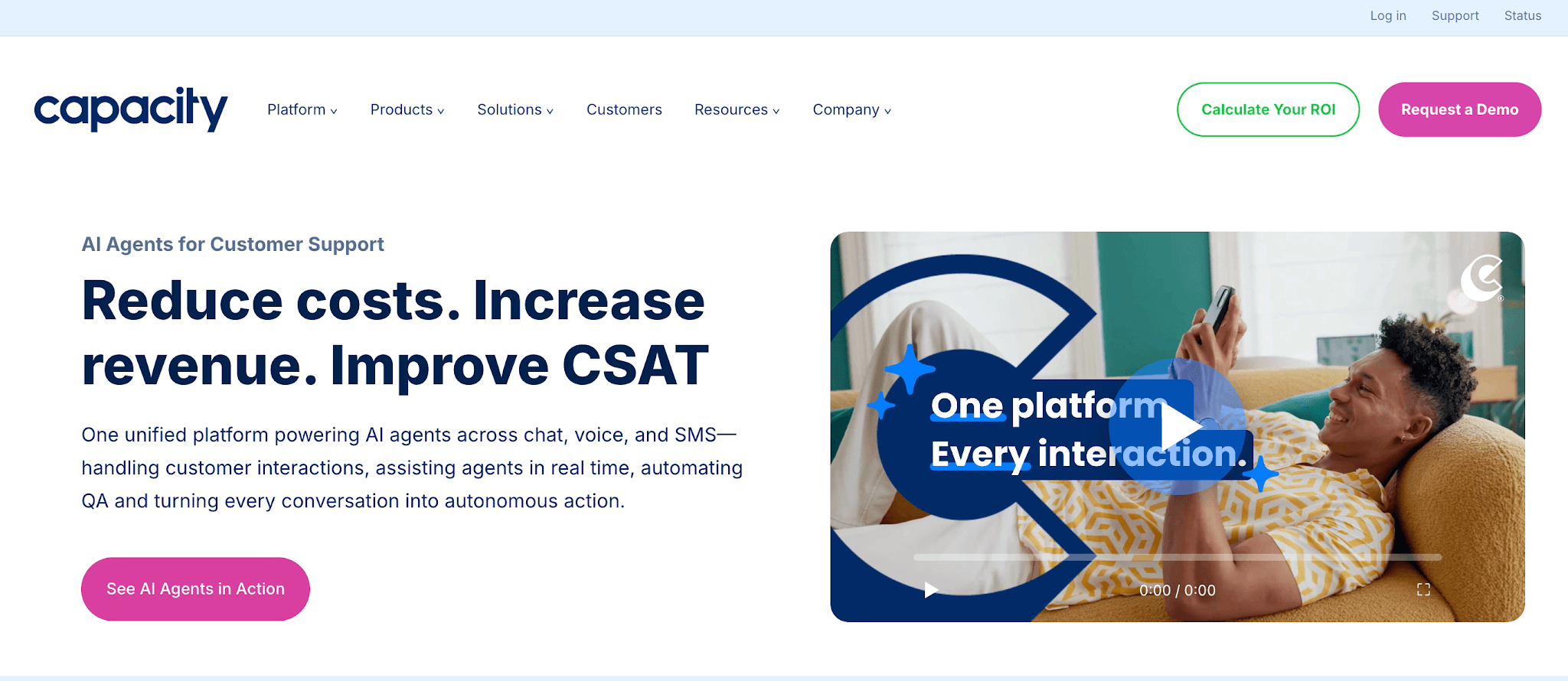
Image source: capacity.com
Capacity helps brokers automate communication through prebuilt workflows connected to important stages in the loan process. The platform can send reminders, answer common questions, and route requests to the right person automatically.
Automating repetitive communication tasks can improve team productivity and help brokers focus on active files instead of constant follow-ups.
Many teams also use Capacity as a single platform for both internal and client-facing tasks.
Some teams may need additional help during setup, especially if they plan to use advanced routing or custom workflows.
5. Staying Organized and Managing Loan Files
Loan files include disclosures, underwriting conditions, emails, audit trails, and post-close records. Without a structured system, important details are easier to overlook, especially when file volume starts increasing.
This use case is about tools that help brokers keep everything in one place. Easy to find, easy to track, and ready when you need it, especially during audits or post-close reviews.
LoanLogics is one platform used for this purpose.
LoanLogics

Image source: loanlogics.com
LoanLogics focuses on loan quality control, document validation, and post-close audits. The platform helps mortgage lenders validate loan data, organize records, and prepare files for compliance reviews.
The platform also helps with automating tasks like document validation and error checks after funding.
It’s commonly used by teams handling large volumes of files where documentation accuracy and recordkeeping are a priority.
Automation can reduce manual reviews and help teams produce more accurate results during the audit process.
LoanLogics is built more for large-scale lenders and post-close teams. Independent mortgage brokers or small businesses managing loan intake may find the platform more extensive than what they need for daily operations.
6. Providing Real-Time Market and Pricing Intelligence
Borrowers expect accurate rate quotes, especially when rates shift quickly in the current market. Without real-time pricing data, brokers risk giving outdated numbers, missing better deals, or losing client trust.
Market intelligence tools help brokers compare mortgage options, run payment scenarios, and share pricing updates with clients in real time.
Faster access to pricing data can also improve sales productivity by helping brokers respond to borrowers sooner.
To support this work, many brokers use tools like MBS Highway.
MBS Highway

Image source: highway.ai
MBS Highway gives brokers access to live mortgage rates, investor guidelines, and daily market trends.
The platform includes interactive tools for comparing loan products, running affordability calculators, and showing the financial impact of locking in rates.
It helps brokers educate clients and build trust through visual explanations. These tools can support sales conversations and keep clients happy and confident in their choices.
MBS Highway is commonly used by brokers and lending teams that monitor rate activity closely. Those who prefer simpler calculators or work with fewer loan products may not need this level of detail.
Why Many Mortgage Brokers Choose Addy
Mortgage professionals today need more than just another tool, but a system that understands how loans actually get done. That’s exactly why many brokers are turning to Addy.
Addy isn’t built like other platforms. It uses custom-trained AI models to handle time-consuming mortgage tasks like document analysis, income verification, and guideline reviews.
Instead of jumping between emails, spreadsheets, and loan origination systems, brokers get a single AI assistant that works around the clock.
Unlike generic automation software, Addy was built specifically for mortgage lending. Its AI agents are trained on more than 20,000 credit policies, allowing loan officers to review eligibility faster and prepare audit-ready loan files within minutes.
What really sets Addy apart is its focus on automation that feels personal. The AI follows up like a human, speaks your brand voice, and helps you stay responsive without burning out.
As one of our customers, Sphinx Capital, shared:

"It’s at least 10 times faster. It really enhances what an LO can do... turning your originators into superheroes."
—Lance Stukaloff, CEO, Sphinx Capital
In a growing market with more loans and more competition, brokers who use Addy aren’t just working faster, they’re working smarter.
Build a Smarter Mortgage Workflow With Addy
In a business where timing, accuracy, and trust mean everything, the right tools aren’t optional; they help you stay competitive. But that doesn’t mean adding more software. It means using smarter tools that do the work for you.
You need systems that handle repetitive tasks, keep deals progressing, and give you space to focus on high-value work.
The best mortgage tools give brokers more time to focus on borrowers, relationships, and the work that helps teams close loans and generate more deals.
That’s exactly what Addy is built for. It reads income docs, follows up with borrowers, flags missing files, and syncs with your LOS in real time without disrupting your day.
As an all-in-one platform for mortgage workflows, it helps brokers reduce repetitive work while supporting long-term business growth.
Ready to see it in action? Book a demo and learn how Addy fits into your workflow.
FAQs About Mortgage Broker Tools
What is the 3-7-3 rule in mortgage?
The 3-7-3 rule gives borrowers time to review loan terms before closing. Lenders must send a loan estimate within three business days after receiving the mortgage application forms.
Borrowers then wait seven business days before closing and receive the final closing disclosure at least three business days before signing.
How much does a mortgage broker make on a $500,000 mortgage?
In the mortgage industry, broker commissions typically range from 0.5% to 2.75% of the loan amount.
On a $500,000 mortgage, this means earnings could fall between $2,500 and $13,750, depending on the agreement, loan type, and whether investors are involved.
What software do mortgage brokers use?
Mortgage brokers use software for document review, loan tracking, pricing, borrower communication, and compliance work.
Many teams also use CRMs, lead generation tools, and automation platforms to manage leads throughout the loan process. Common platforms include Addy, Blend, Floify, Capacity, LoanLogics, and MBS Highway.
Start closing more loans – Book your demo today
Stay ahead of the competition and discover how AI can accelerate your loan origination process, reduce manual work, and help you close more deals in less time. Book a demo today and start experiencing the future of lending.