Michael Vandi
LoanPro gives lenders tools for product setup, servicing, payments, collections, and reporting. But a lengthy feature list doesn’t guarantee the right match.
Banks, fintechs, and mortgage companies compare LoanPro alternatives when they start to notice recurring issues with setup, borrower communication, or team adoption.
This guide reviews lending platforms worth considering in 2026. It also shows where AI tools like Addy can help mortgage teams get more from the software they already use.
TL;DR
Here are the five best LoanPro alternatives to try this year:
TurnKey Lender
Mambu
Peach Finance
LendingPad
HES FinTech
What Is LoanPro?
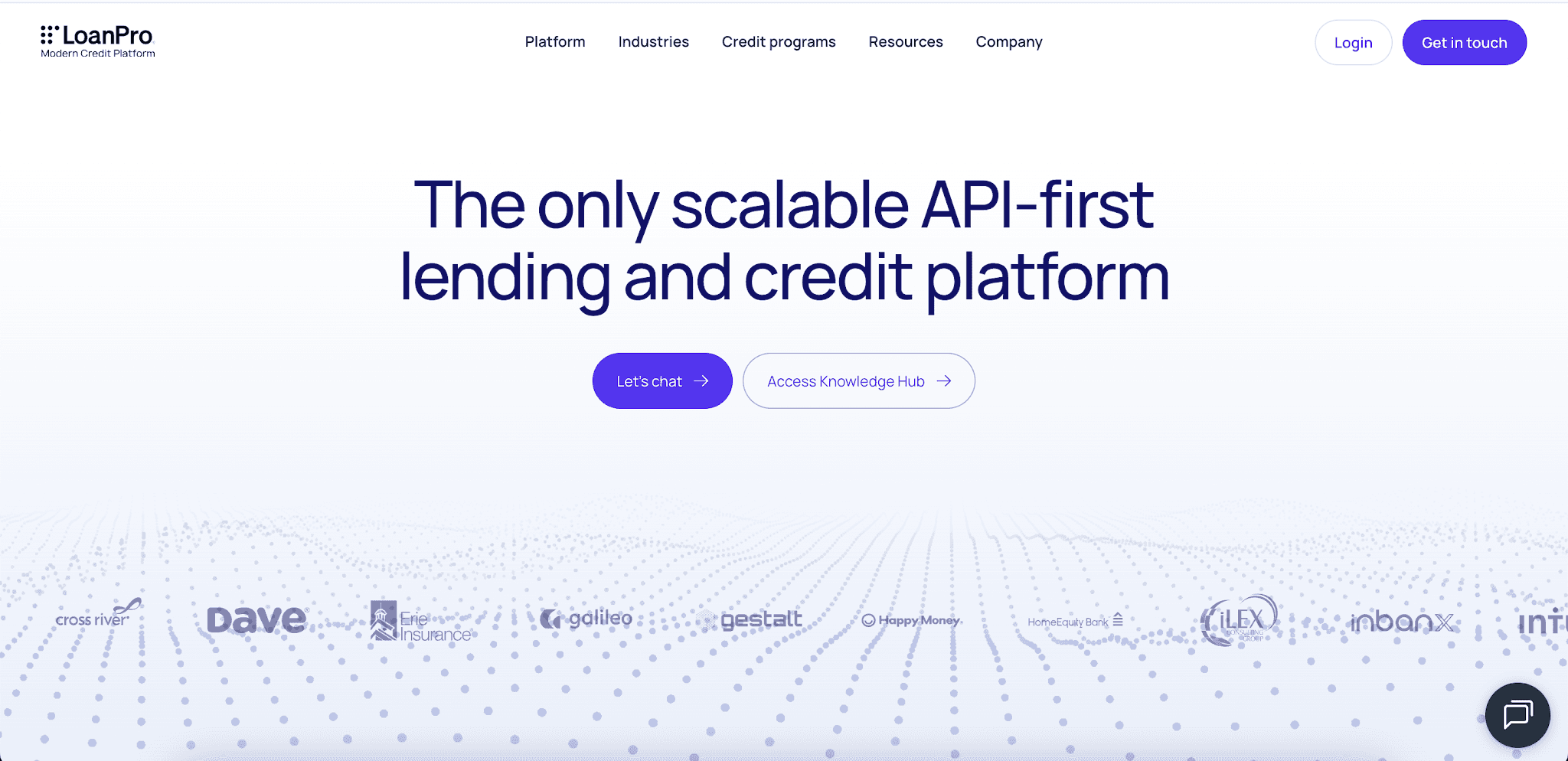
Image source: loanpro.io
LoanPro is a cloud-native credit platform for lenders. Companies use it to set up lending products, collect payments, service accounts, and review portfolio data.
As loan management software, LoanPro can manage installment products, credit lines, and credit cards. LoanPro’s API-first setup helps lenders connect the platform with payment systems, accounting tools, and internal software.
The platform includes tools for origination, documents, user access, custom fields, and compliance. Its Automation Engine takes on routine servicing tasks, while Data on Demand gives users portfolio reports.
LoanPro also records account activity through a real-time ledger.
The platform is useful for banks and fintechs that manage multiple lending products within a single system. It often requires technical expertise and deeper implementation resources, especially for teams with complex product rules.
What Pushes Teams Toward LoanPro Alternatives?
LoanPro allows deep customization, but setup can get difficult when a lender has complex product rules. The team may need several rounds of configuration before the system works as expected.
Migration can also take time. Older account data has to transfer correctly, especially when payment history and borrower records already exist elsewhere.
Ease of use is another issue. New admin users often need training before they can adjust settings without help.
Technical staff may also need to connect LoanPro with accounting systems, payment processors, or third-party tools.
Mortgage lenders usually need more than general servicing software. They need document review, lending guideline checks, condition tracking, and file preparation before underwriting.
Top 5 Loan Management Software Tools to Try Instead of LoanPro
Here are the top five LoanPro alternatives for loan servicing, origination, and mortgage workflows.
1. TurnKey Lender
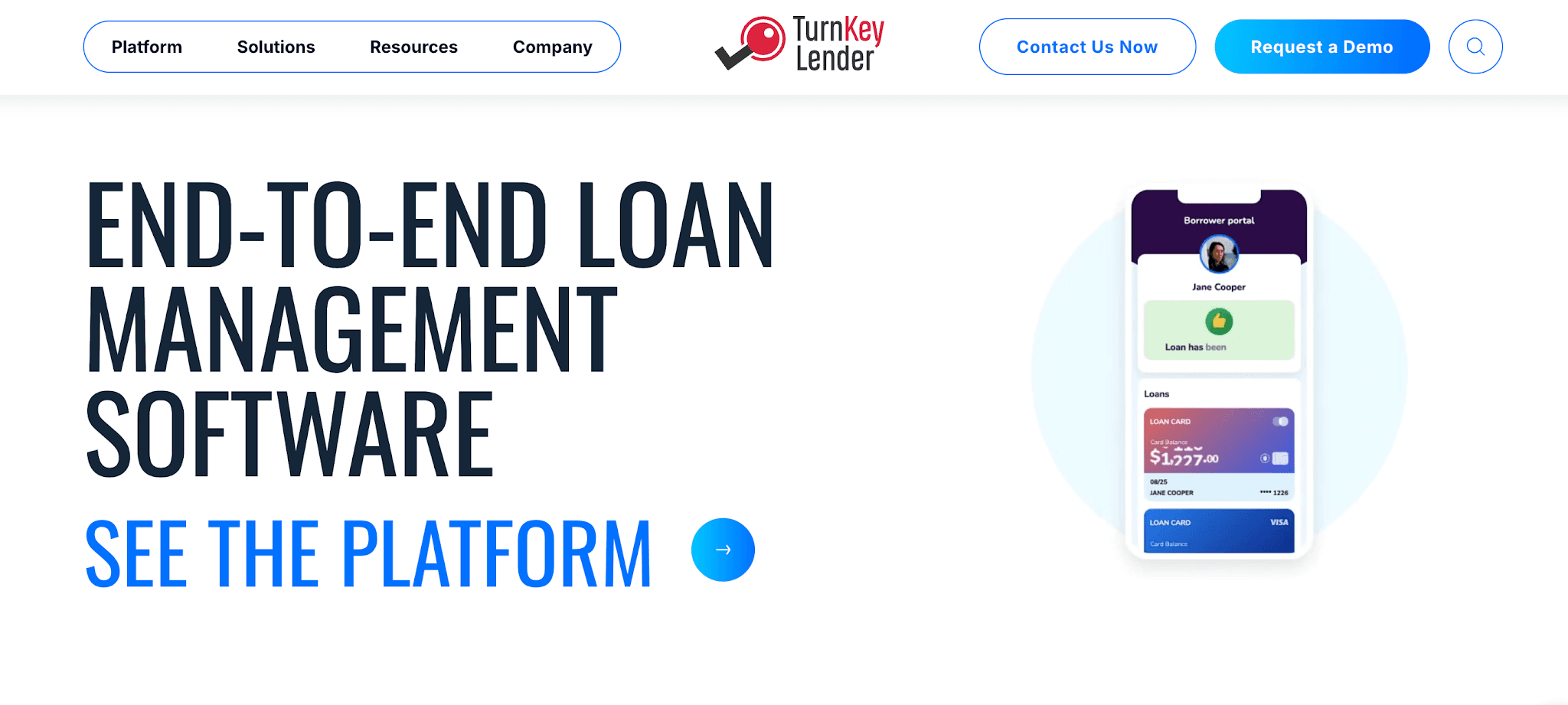
Image source: turnkey-lender.com
TurnKey Lender is financial technology software for credit providers that need automation from application to collections. It includes tools for traditional financing, alternative products, leasing, grant management, and trade finance.
Teams looking for LoanPro alternatives may review TurnKey Lender when they need product templates and automated credit decisions.
The software also includes options for consumer lending, commercial financing, embedded finance, and credit card programs.
Key Features
Product templates for personal loans, embedded finance, nonprofit programs, leasing, and peer-to-peer lending
Product builder for setting rules
Decision Engine for scoring applicants
Commercial origination for small and midsize enterprise (SME) financing
Borrower portal for applications and account access
Document generation, e-signature, storage, and tracking
Settings for schedules, fees, payments, and borrower messages
Reporting tools for portfolio and business performance
Compliance and anti-fraud features
TurnKey Lender groups several credit products in the same system. Mortgage companies may still need AI tools for document review, guideline checks, and underwriting review.
2. Mambu

Image source: mambu.com
Mambu is a cloud-native software-as-a-service (SaaS) core for banks, fintechs, and other financial institutions.
Teams use it to configure lending products, manage accounts, and connect data through application programming interfaces (APIs).
The platform can support multiple loan types, including personal, business, and mortgage products. It also gives lenders configurable workflows for pricing, fees, repayment terms, and account activity.
Key Features
Personal lending settings for secured and unsecured products
Mortgage rules for pricing, terms, repayment plans, and fees
Business financing for working capital and business credit products
Automated disbursement, repayment, arrears handling, refinancing, and loan closure
API connectivity for digital channels and partner systems
Customer relationship management (CRM), accounting software, and core banking connections
Reporting and audit trails for compliance review
Near real-time data access for analytics and portfolio monitoring
Mambu can require careful implementation planning. Lenders with older account histories should confirm migration requirements before choosing it.
3. Peach Finance

Image source: peachfinance.com
Peach Finance is a cloud-native lending technology platform for fintechs and financial institutions. Its main use case starts after origination, when accounts need servicing and borrowers need ongoing access.
Its Adaptive Core lets a lending business configure products that don’t follow a standard template. Peach lists consumer lending, vertical buy-now-pay-later programs, deferred-interest cards, and retail installment contracts as examples.
Key Features
Post-origination account management for active programs
Borrower portal where clients can make payments and access documents
Loan Replay for ledger updates that preserve account history
Payment setup through Peach, the lender’s bank, or an outside processor
Message rules that check borrower timezone and channel limits before outreach
Hardship and loan modification options for payment changes
Secured and unsecured personal lending settings
Multi-capture installment loans for purchases processed in separate parts
Admin routing for cases, queues, and customer messages
Peach can cover diverse loan types, but it mainly serves post-origination account work. Teams that need document checks, guideline searches, and underwriting file review will likely need added mortgage AI tools.
4. LendingPad
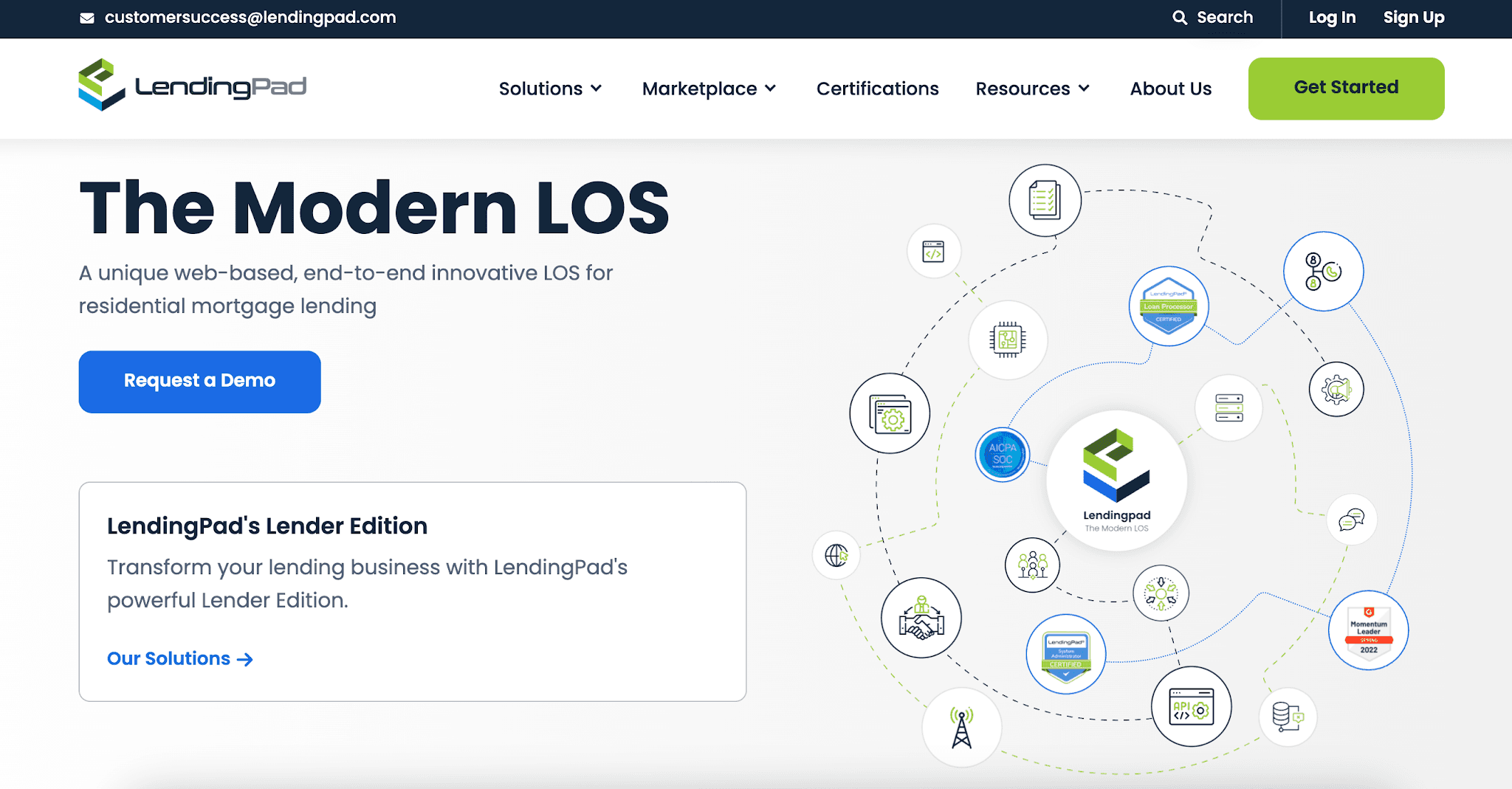
Image source: lendingpad.com
Lenders use LendingPad to manage files from application to closing. It also serves brokers, banks, and credit unions that need mortgage-specific origination software.
LendingPad gives brokers a point-of-sale (POS) tool for borrower applications. Lenders get deeper operational features for funding, post-closing, quality control, and warehouse line work.
Key Features
Pipeline view for checking active mortgage files
Multi-user processing so several staff members can work on the same file
A POS tool for borrower applications
File collaboration with document management
Wholesale and correspondent channel options
Secondary management, funding, post-closing, and quality control functions
Enterprise API for data exchange
User roles for processors, underwriters, closers, funders, and quality control staff
Processing center tools for teams managing files for several clients
LendingPad’s capabilities stay close to mortgage origination. Companies can integrate AI tools when they need document checks, guideline search, condition tracking, or borrower follow-up.
5. HES FinTech
Image source: hesfintech.com
HES FinTech offers HES LoanBox for banks, alternative lenders, and fintech companies. The system covers the full account lifecycle, from application intake to collections.
HES uses a modular setup, so the final version depends on the lender’s product rules and deployment needs. That's useful for companies planning custom builds rather than a standard lending workflow.
Key Features
Origination and account management in the same system
Borrower portal where applicants can submit documents and track approval status
A loan calculator that shows estimated payments before the application starts
Underwriting workflows that can be manual, hybrid, or automated
E-signature and document upload tools for digital applications
Collections tools for early outreach and overdue accounts
Portfolio dashboards that help teams track balances and risk trends
Rule-based controls for compliance calculations and audit records
HES LoanBox can help lenders assess risk through borrower data, scoring tools, and portfolio dashboards. It also includes compliance controls that can help teams respond to regulatory changes during servicing.
Addy Adds Mortgage AI to Your Current Lending Software
LoanPro alternatives can manage products, servicing, portals, and account activity. Mortgage lenders still need help with borrower documents, guideline questions, missing conditions, and follow-ups.
Addy isn’t a direct replacement for LoanPro. It works with loan origination systems (LOS), CRM tools, POS software, and servicing platforms you already use.
Faster Document and Guideline Checks
Addy extracts and verifies borrower data from 1003s, tax forms, bank statements, pay stubs, emails, and loan files. Computer vision reads documents even when formats vary.
Addy classifies files, links them to the right loan, flags large deposits, and creates loan summaries.
Loan officers can ask plain-language questions about Fannie Mae, Freddie Mac, non-qualified mortgage (non-QM), and investor guidelines. That helps them compare rules and catch missing information before submission.
Addy also identifies missing condition items and creates a processing checklist. It can send document requests through email, text, or phone.
AI That Works With Your Mortgage Stack
Addy connects with Gmail, Outlook, Slack, Microsoft Teams, and borrower inboxes. It also syncs with loan origination and CRM systems.
The ChatGPT app brings Addy’s mortgage agents into pre-underwriting conversations. Borrowers can ask about affordability, qualification requirements, and required documents, while Addy prepares the information for lender review.
For mortgage companies comparing solutions in a competitive market, Addy adds AI without replacing the core lending platform.
Addy reports up to 90% faster loan origination, which can help lenders manage volume and operating costs without adding staff.
Improve Your Lending Stack With Addy
Choosing between LoanPro and its competitors is only part of the decision. The software also has to match how you set up products, serve borrowers, and review loans.
A new platform may improve servicing or reporting. But mortgage files can still require hours of document review, condition checks, and borrower follow-up.
Before spending more money on another tool, look at what happens after the application comes in. Addy helps with that part by adding mortgage AI to the software already in place, so you keep full control over your lending stack.
Book a demo with Addy to see how AI agents can help you review files faster and close more loans.
FAQs About LoanPro Alternatives
Is LoanPro a loan origination system or loan servicing software?
LoanPro is mainly loan management and servicing software. It also includes origination tools, but many teams use it for product setup, payments, collections, and account servicing.
Which LoanPro alternative is best for mortgage lenders?
LendingPad is the closest fit for lenders that need mortgage origination software. Addy is also useful for teams specializing in file review, guideline checks, and condition follow-up.
What should lenders compare before choosing a LoanPro alternative?
Lenders should compare product setup, servicing tools, integrations, reporting, migration needs, and ease of use. They should also check whether the software can scale as volume grows, especially for mortgage, consumer, or auto lending.
Start closing more loans – Book your demo today
Stay ahead of the competition and discover how AI can accelerate your loan origination process, reduce manual work, and help you close more deals in less time. Book a demo today and start experiencing the future of lending.